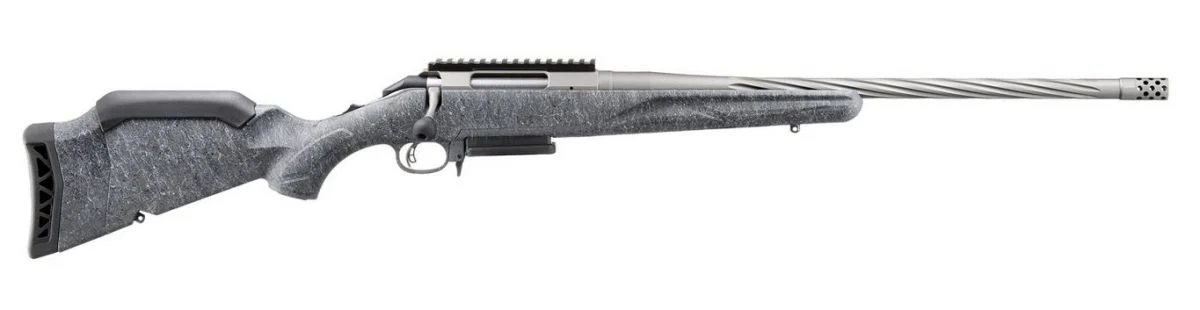
Rifles for the Utah general-season deer and elk hunts
Utah big game comes down to two things: drawing a permit and being able to shoot across a canyon in cold wind. This guide covers the 2026 general-season dates, how the draw works and what to buy for mule deer and elk in Utah country, from the Book Cliffs to the Pine Valley Mountains. Season dates and unit boundaries come from the Division of Wildlife Resources; always confirm them in the current Big Game Field Regulations Guidebook before you hunt.
The 2026 general-season dates
For general-season buck deer in 2026, the archery hunt opens Saturday, August 15. The muzzleloader hunt runs September 23 to October 1. The any legal weapon hunt, which most people call the rifle hunt, runs October 17 to 25. That nine-day rifle window is the busiest week of the Utah outdoor year on the Manti, Cache and Wasatch units.
General bull elk runs on a different calendar. In 2026 the archery spike and any-bull hunts open August 15. The any legal weapon any-bull hunt has an early season October 3 to 9 and a late season October 10 to 16, while the spike-bull any-weapon hunt runs October 3 to 15. The general muzzleloader elk hunt is October 28 to November 5. Utah also added mandatory harvest reporting within 30 days and an electronic tagging option in the state hunting app, so read the current rules even if you have hunted the same unit for twenty years.
The draw and bonus points
Utah runs a spring big-game application period for deer, elk, pronghorn and the limited-entry species. General-season deer permits are unit-specific, so you pick your unit when you apply. Bonus points improve your odds in later years for the units that do not go every year, and half the permits in most draws go to the highest point holders. Leftover general-season permits go on sale after the draw and some units sell out in minutes while others sit for weeks.
Limited-entry units such as the Paunsaugunt, the Henry Mountains and the Book Cliffs are a different game, measured in decades of points rather than seasons. Most Utah hunters build points for one of those while hunting a general unit every year. Our city pages list the general-season unit around each town so you know what you are applying for.
Calibers for Utah mule deer
Utah general-season deer hunting is mostly glassing open sage and oak brush and then closing the distance, with shots that can stretch. A flat-shooting cartridge with mild recoil beats a magnum you flinch with.
- 6.5 Creedmoor. The default new-rifle choice for a reason: low recoil, superb factory ammunition and enough bullet for any Utah mule deer inside sensible range.
- .270 Winchester. The classic western deer cartridge and still hard to beat on the Manti or the Pine Valley unit.
- .308 Winchester. Short action, ammunition everywhere, plenty for deer and adequate for elk at moderate range.
- .30-06 Springfield. One rifle for deer and elk if you only want to own one. Factory loads run from 150 to 220 grains.
- 7mm-08 or .243 Winchester. Good picks for a younger or recoil-sensitive hunter on a deer-only tag.
Calibers for Utah elk
Elk are a different animal and Utah elk country is steep. Step up in bullet weight and construction rather than chasing velocity.
- .300 Winchester Magnum. The most common serious elk cartridge in the state, with 180 to 200 grain bonded or monolithic bullets.
- 7mm Remington Magnum or 7mm PRC. Flat, hard-hitting and easier on the shoulder than a .300 for most people.
- .30-06 with a 180 grain premium bullet. Still kills elk cleanly and always will.
- 6.5 PRC or .28 Nosler. Modern options if you handload or buy premium factory ammunition and shoot enough to use the ballistics.
Whatever you choose, use a controlled-expansion bullet. A cup-and-core bullet that works on a deer can come apart on an elk shoulder.
Rifles that suit Utah country
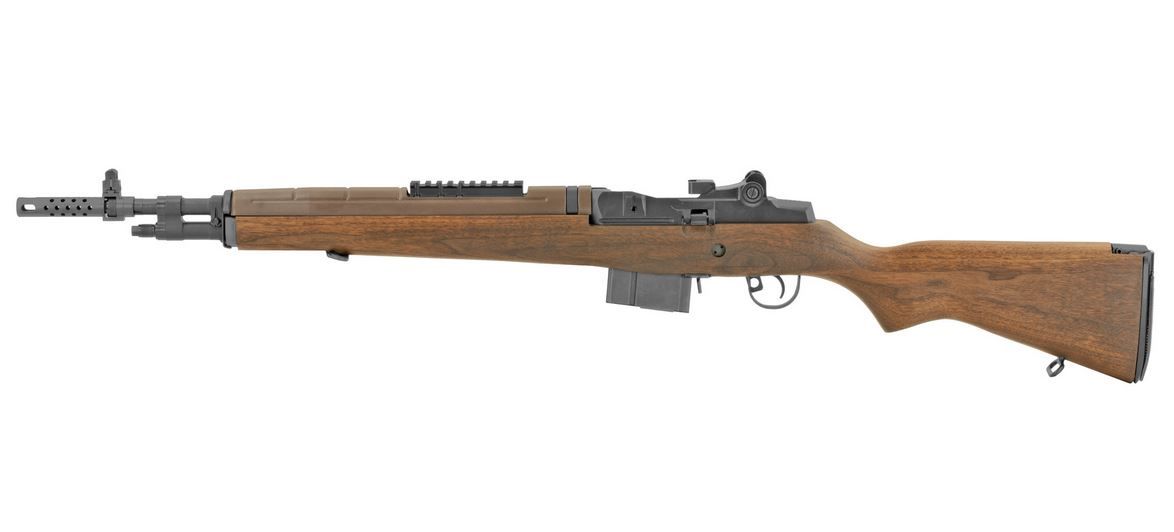
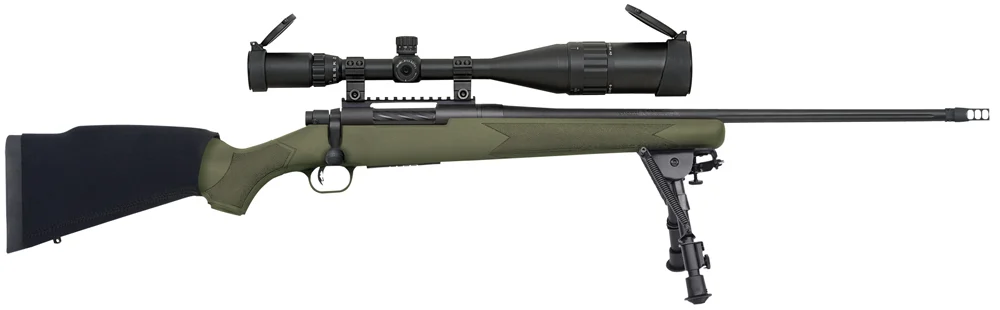
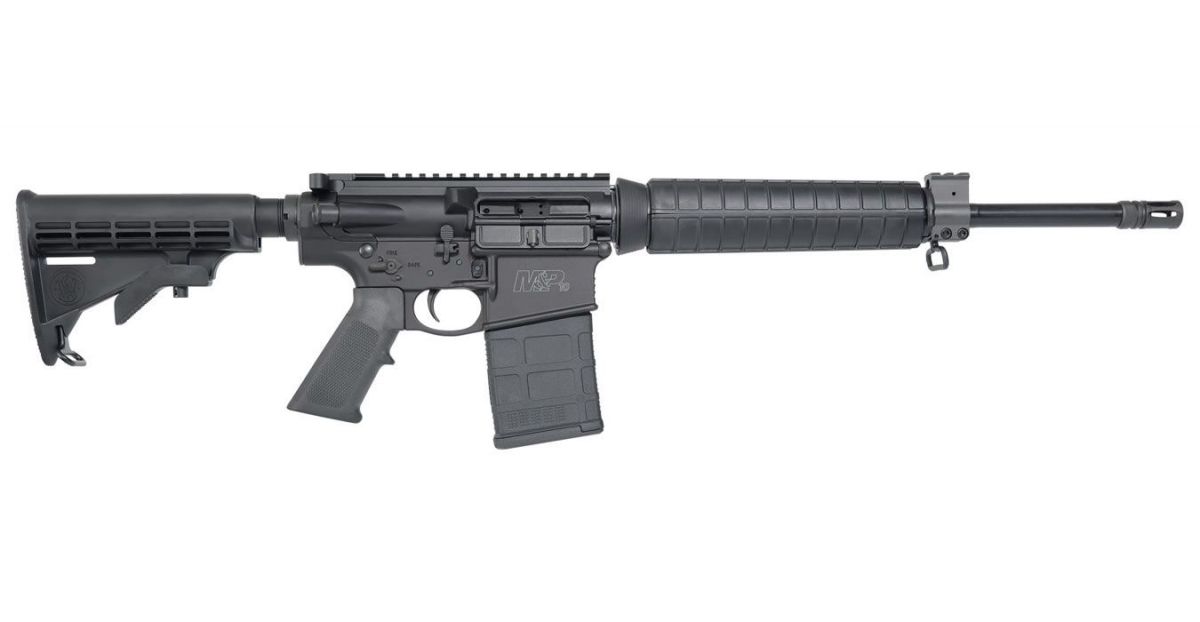
Most Utah hunting involves a truck, a road, a long glass and then a walk. Weight matters more here than on a Midwest deer stand. Browning, Savage, Ruger, Tikka, Weatherby, Christensen Arms and Remington all build rifles that fit the job, and Christensen is a Utah company. A 22-inch barreled bolt gun in a synthetic or carbon stock at seven pounds scoped is the sweet spot for a general-season hunter. Stainless and a weather-resistant stock earn their keep in an October storm on Skyline Drive.
Put a 3-9x40 or 4-12x44 scope on it, in good rings, and torque them properly. A 4-16x is not too much for the West Desert or the Book Cliffs, but past that you are carrying weight you do not need. Utah has no state restriction on scope magnification or on suppressors for hunting, though the muzzleloader and archery seasons have their own equipment rules. Read the guidebook for the legal weapon definitions for the season you drew.
Getting ready
Sight in at 200 yards and then practise from a pack, from your knees and across a ridge, not from a bench. Learn where your rifle hits at 300 and 400 yards with the ammunition you will hunt with, and then decide your own limit and hold to it. Shoot enough that a cold morning and a bull at 280 yards does not feel new. The Division of Wildlife Resources runs the Lee Kay range in Salt Lake City and the Cache Valley range in Logan if you do not have a place to stretch out; away from those two, most Utah shooting happens on BLM and national forest ground outside posted closures.
Pack an extra box of the same lot of ammunition, because finding the exact load you zeroed with in Price the night before the opener is optimistic. Browse the catalog for rifles, optics and ammunition, and see Utah gun laws for how buying and transport work.
General information, not legal advice. Current as of September 2026. Laws change; check the official source before you act.